


|
CONTENTS
THE OCCUPATIONAL HEALTH AND SAFETY We can define the occupational health and safety activities as all of the scientific, technical and medical works carried out at the workplaces in order to prevent or minimize the health and safety problems arising from the work conditions and production tools. 4857 No. Labor Law Article 77 : The employers have to take every kind of precaution to ensure the occupational health and safety at the workplaces, to keep all the equipments and tools without missing anything, and the employees must follow every kind of precaution taken in occupational health and safety subject. The employers must supervise to ensure their occupational health and safety precautions are followed at the workplace and to inform the employees about the occupational risks they face and the required precautions in addition to legal rights and responsibilities and to provide the required OHS trainings. Occupational Health and Safety Works are organized to:
What is the purpose of OHS Studies?
Occupational Accidents and Professional Diseases WHAT IS AN ACCIDENT? An accident is a kind of unplanned, unknown event that may get beyond control and harm the environment. WHAT IS A WORK ACCIDENT? The situations that may cause harm, injury, crippling or death as the result of unplanned, unexpected situations. Those who deal with occupational safety carry out works to remove the accident possibility before it happens or to minimize the risks to acceptable levels by taking precautions. The legal definition of the work accidents: According to 5510 no.Social Insurances and General Health Insurance Law's 13.article, a work accident is an event that happens;
WHAT IS A PROFESSIONAL DISEASE?? According to 5510 no.Social Insurances and General Health Insurance Law's 14.article; Temporary or permanent illness, physical or mental disability states the insuree is exposed to because of the work execution conditions or a reason that is repeated because of the nature of the work. Accidents are caused because of ; Working without safety (78%), Unsafe situations (20%), Natural Events (2%). Consequently the 98% of the reasons of the work accidents are humans.
RISKS
Classification of the Professional Risks:
Risks caused by worker behaviors:
2. Risks caused by physical work environment:
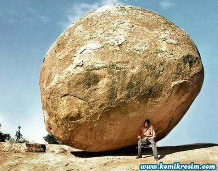 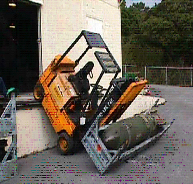 3. Risks caused by work's organization type:
4.Risks caused by management system:
IN OUR COUNTRY... A WORK ACCIDENT HAPPENS ONCE IN 6 MINUTES A WORKER IS DISABLED ONCE IN 2,5 HOURS A WORKER IS DYING, ONCE IN 6 HOURS!!!!!!!!!
THE PRECAUTIONS TO BE TAKEN BY EMPLOYEES TO PREVENT WORK ACCIDENTS
The employees shall follow the belowmentioned points in accordance with the training and instructions given by the employer: a) They must use the machines, devices, tools, equipments, dangerous materials, transportation equipments and other production tools correctly, b) They must use the personal protective equipments given to them and duly place them back to their protection places after usage, c) They must use the machines, devices, tools, equipments at the workplaces and the safety equipments at the facilities and buildings according to the rules, and not change or remove them from their places without a purpose, d) When they see a serious and sudden danger at the workplace in terms of health and security, they shall immediately inform the OHS representative, e) They must cooperate with the OHS representative and the employer to preserve the health and safety, and to fulfill the lacking points and to solve those against the regulations which are determined by the supervision authorities, f) They must cooperate with the employer and the OHS representative according to the regulationsso that the employer can ensure the working environment and conditions are safe and without risks, in scope of own duty area. 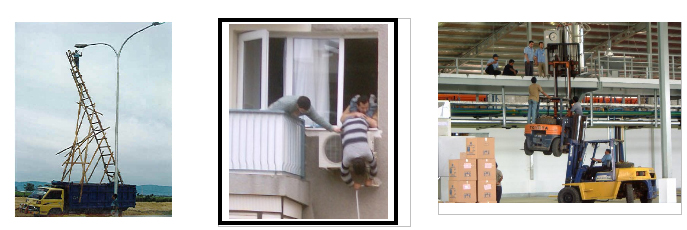 PERSONAL PROTECTIVE EQUIPMENTS
The employees must wear personal protective equipments during the work. These protections shall:
HEAD PROTECTORS
BODY PROTECTORS
The Dangers Prevented By Head Protection Equipments:
Protective Materials:
The Dangers Prevented By Ear Protection Equipments:
The Dangers Prevented By Eye Protection Equipments:
Protective Materials:
The Dangers Prevented By Face Protection Equipments:
Protective Materials:
The Dangers Prevented By Respiratory Protection Equipments:
Protective Materials:
THE GENERAL SAFETY RULES FOR ALL THE EMPLOYEES
1. ALWAYS be careful and act with responsibility for your safety and the safety of your workmates. 2. ALWAYS use reliable equipments suitable for your work. NEVER damage or disrupt the equipments provided for your protection and safety. ALWAYS check the equipments you are going to use, before the work. ALWAYS leave the equipments you used in a regular and safe way, when your work is done. 3. NEVER use the equipments and materials, on which you did not receive training for safe usage. Be careful with the warnings before using the equipments and tools. ALWAYS ask the authorities in case you have a suspicion. 4. ALWAYS use personal protective equipments suitable for your work. 5. ALWAYS keep your working environment clean and tidy. 6. ALWAYS carry, lift, push or pull the materials in a safe way. 7. ALWAYS carry out the maintenance of the electrical equipments, ensure earthing. Never forget the electricity can kill. 8. ALWAYS drive slow within and outside the factory, NEVER exceed the speed limit. ALWAYS pay attention to other vehicles and passengers. 9. ALWAYS get in and out in a safe way. Never jump. 10. NEVER disturb those who have works that require focus and concentration, do not distract them. 11. NEVER make practical jokes at the workplace. 12. NEVER come to the workplace without sleep, or as drunk. 13. ALWAYS inform the authorities about the temporary and permanent medications you take for your health. 14. NEVER run at the workplace. Be careful for the slippery ground. 15. ALWAYS report the conditions with accident possibility to the authorities. 16. ALWAYS inform the related authority about every kind of failure and interruption. 17. Do not leave the workplace and work site WITHOUT PERMISSION. 18. Do not change the PLACES of the warning and instruction signs 19. NEVER carry out maintenance or repair while the machine is operating. 20. NEVER lubricate a working machine without stopping it. 21. NEVER run a machine without placing back the protective pieces that were removed for maintenance. 22. NEVER touch the sections with "out of order" and "under repair" signs. 23. NEVER use the malfunctioning equipments and tools. 24. NEVER accept the guests and other people at the workplace as the entrance is forbidden for non-employees. 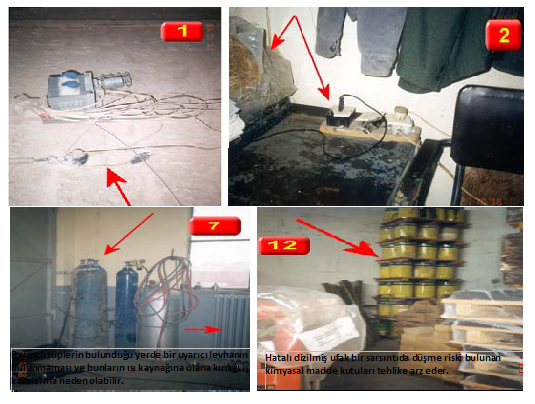 |